

All sophisticated buyers set the legal terms of their transactions, rather than blindly accepting the fine print dictated by their suppliers. This is the idea Supplierism is built on, a rule that dates back centuries.
The core of this newsletter rests on the uncomfortable fact that the biggest buyer groups in the world ignore this rule entirely. You and I are members of those groups, and our suppliers have become experts at quietly taking advantage of us, transferring massive costs onto our shoulders. Climate change, the mental health toll of social media on children and corruption are just three examples. Each one makes our lives harder, more expensive, and less safe.
Because companies need our money to survive, regular buyers possess apex economic leverage and have the right to dictate the rules for accessing our wallets.
We should set terms and conditions with our suppliers, but we don’t, leaving unlimited potential value on the table. Value that could solve the world’s biggest problems.
The most obvious case is kids.
When a child gets their first phone, tablet or computer, they should have terms and conditions that legally protect them from being harmed. Their mental health and attention are not for sale. Harm a child and you should pay a penalty. It’s that simple. Family-oriented buyers spend $9 trillion a year1. That’s twice the GDP of Germany. The potential penalty for violating their rules becomes the deterrent that prevents rational suppliers from harming a child in the first place.
The next most obvious case is Donald Trump, who runs the American presidency as a personal business, in plain sight.
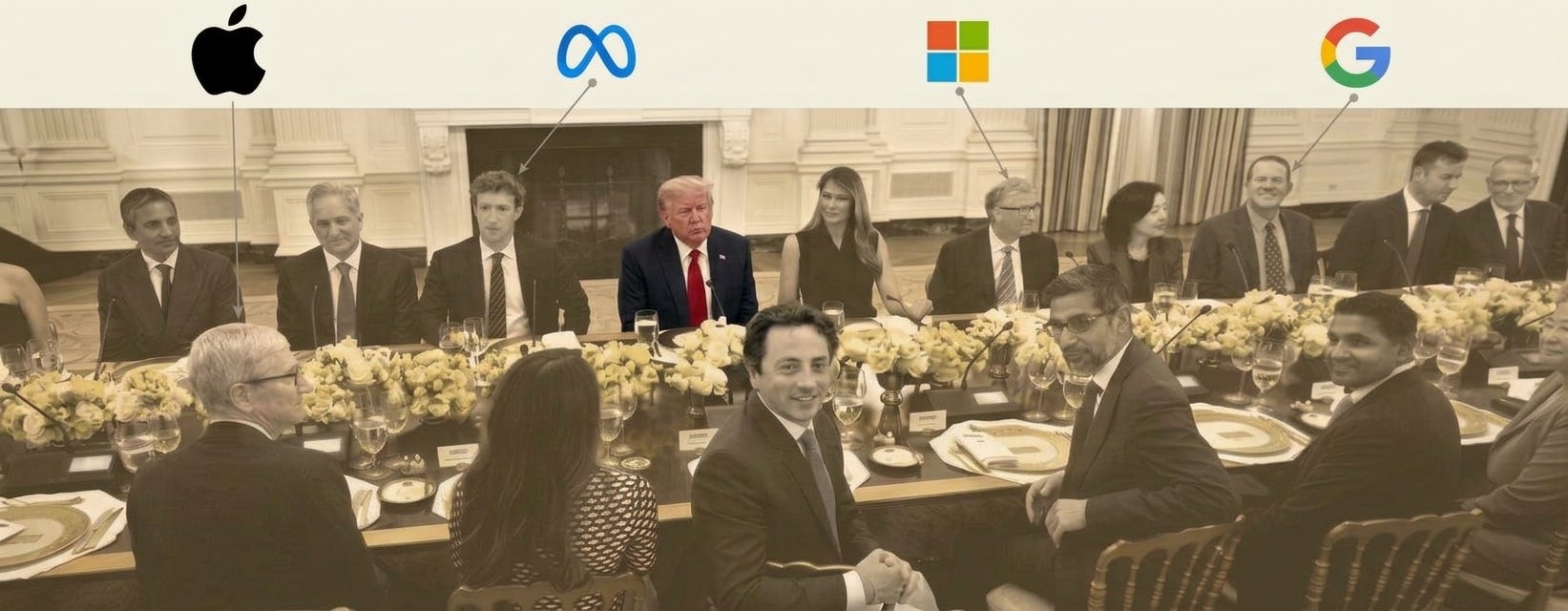
Citizens who do not want their money going to Trump — or any politician — spend $5 trillion each year2. And yet their suppliers regularly transfer money they got from their customers to politicians.
So here are two questions: Are you funding Trump? And what can you do about it?
Click here to find out.
¹ ² Each figure is the share of global adult consumers who say they strongly care about the issue and would act on it, multiplied by average annual consumer spending. Family-oriented buyers: Pew Research Center (2023). Citizens avoiding political spending: Edelman Trust Barometer (2025). Full methodology at supplierism.com/leverage.